
What Is Flexible Packaging? A Complete Guide for Brand Owners and Buyers
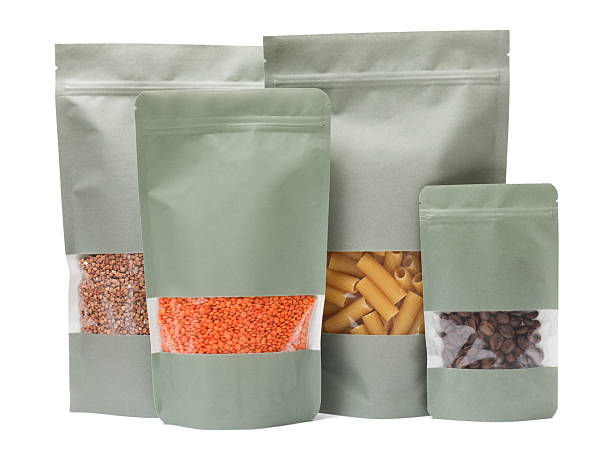
Flexible packaging is any packaging made from non-rigid materials such as plastic film, paper, foil, or a combination of these that can bend, fold, or conform to the shape of its contents. Common formats include pouches, bags, sachets, wrappers, and roll stock films.
It’s one of the most widely used packaging categories across food, cosmetics, coffee, and e-commerce, and for good reason: it’s lightweight, cost-efficient, and highly customizable in both structure and print.
If you’ve spent any time sourcing packaging for a product, you’ve probably realized the term covers a lot of ground. Pouches, bags, wrappers, and films all fall under flexible packaging but they’re not interchangeable. Choosing the wrong format can affect shelf life, shipping costs, and how your product looks on the shelf.
This guide covers what flexible packaging is, how different formats and materials compare, and how to choose the right option for your product.
Flexible Packaging vs. Rigid Packaging: What’s the Difference?
The simplest way to understand flexible packaging is to compare it to what it’s not.
Rigid packaging — think glass jars, metal cans, or hard plastic containers — holds its shape regardless of what’s inside. Flexible packaging, by contrast, is made from materials that can bend, fold, or conform to the product. It’s not structurally fixed.
That difference has real implications for cost, weight, and storage. Flexible packaging is generally lighter, takes up less space during shipping, and costs less per unit to produce. For brands managing shipping budgets or working with limited warehouse space, that matters.
| Flexible Packaging | Rigid Packaging | |
| Weight | Light | Heavy |
| Cost per unit | Lower | Higher |
| Storage space | Compact | Bulky |
| Shelf presence | High (printable surface) | Moderate |
| Best for | Pouches, bags, films | Bottles, cans, jars |
Common Types of Flexible Packaging
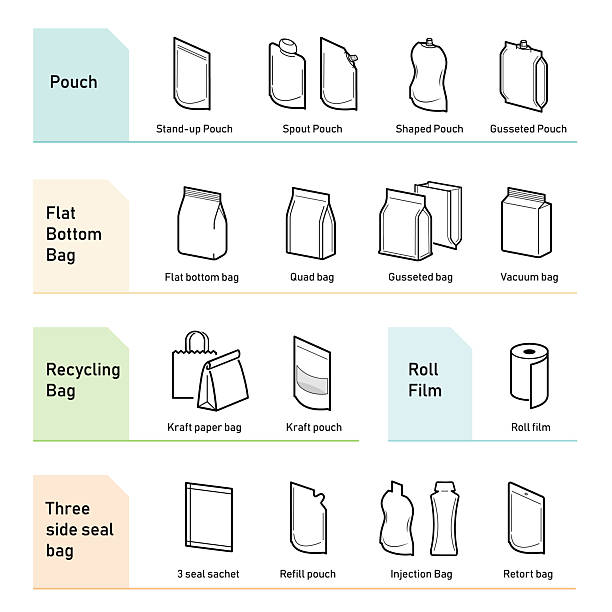
Flexible packaging isn’t one product, it’s a category. Here’s a breakdown of the most common formats and where they fit.
These are the upright bags you see in the snack, coffee, and pet food aisles. They have a gusseted bottom that allows them to stand on their own, which gives them strong shelf presence. Available with or without resealable zippers.
A simpler, more compact format. Flat pouches lie flat and work well for single-serve products, samples, or anything that doesn’t need to stand upright, think seasoning packets, tea bags, or face masks.
A step up from stand-up pouches in terms of stability. The structured base gives them a more premium look, which is why you’ll often see them used for specialty coffee, protein powders, and skincare products.
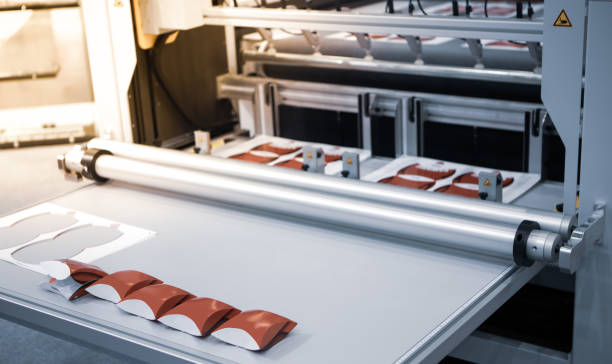
Rather than a pre-made bag, roll stock is a continuous film that gets fed into automated packaging machines and formed into bags on the production line. It’s the format most large-scale food manufacturers use for efficiency.
Technically a subset of flexible pouches, but worth mentioning separately because of the specific requirements involved, degassing valves to release CO₂, strong moisture and oxygen barriers, and often a premium finish.
Sachets and Stick Packs
Small, single-serve formats used for condiments, supplements, sugar, or personal care products. High volume, low cost per unit.
Wrappers and Flow Wrap Films
Used to wrap individual products like snack bars, baked goods, or medical devices. The film is sealed around the product rather than the product being inserted into a pre-made bag.
What Materials Are Actually Used?
Most flexible packaging is made from one or more layers of film, and each layer has a job.
The most common base materials are:
- Polyethylene (PE) — soft, flexible, moisture-resistant. Used in bread bags, produce bags, and inner liners.
- Polypropylene (PP) — clearer and stiffer than PE, good for snack bags and candy wrappers.
- Polyester (PET) — strong, heat-resistant, good printability. Often used as the outer layer in laminated structures.
- Aluminum Foil — excellent barrier against light, oxygen, and moisture. Common in coffee bags, pharmaceutical packaging, and anything that needs a long shelf life.
- Kraft Paper — a natural-looking outer layer often used for eco-friendly or artisan product positioning.
In most cases, two or more of these are laminated together. A typical coffee bag, for example, might be PET (print layer) + aluminum foil (barrier layer) + PE (heat-seal inner layer). The combination determines how well the package protects the product and how long it stays fresh.
Printing and Finish Options
One of the practical advantages of flexible packaging is how much surface area is available for branding. A stand-up pouch, for instance, has a front panel, back panel, and gusset — all printable.
Two main printing methods are used at scale:
Gravure printing is the standard for high-volume runs. It produces consistent, high-quality color output and works well when you’re ordering hundreds of thousands of units. The setup cost is higher, but the per-unit cost drops significantly at volume.
Digital printing is better suited for shorter runs, seasonal designs, or when you need quick turnaround. There’s no plate setup cost, so minimum order quantities are lower. Quality has improved substantially in recent years, making it viable for premium products too.
Beyond print method, finishes include matte lamination, gloss lamination, spot UV coating (a raised, shiny effect on specific areas), and hot stamping for a metallic look. These aren’t just aesthetic choices — matte finishes, for example, tend to feel more premium in hand and are popular in the coffee and wellness categories.
Industries That Rely on Flexible Packaging
Flexible packaging shows up across more sectors than most people realize:
Food and Beverage is the largest segment by volume. Snacks, frozen food, sauces, coffee, tea, spices, and pet food all rely heavily on flexible formats because of the barrier protection and cost efficiency.
Cosmetics and Personal Care brands use flexible packaging for sample sachets, refill pouches, face masks, and travel-size formats. The printable surface also makes it attractive for branding.
Pharmaceuticals and Supplements require specific barrier properties to protect contents from moisture and light. Blister packs, sachets, and foil-sealed pouches are common.
E-commerce brands are increasingly shifting to flexible mailer-style packaging because of the weight savings in shipping. A few grams per unit adds up fast at scale.
Sustainability: What’s Actually Available?
This is an area where it’s easy to get oversold. “Eco-friendly” in flexible packaging can mean a few different things:
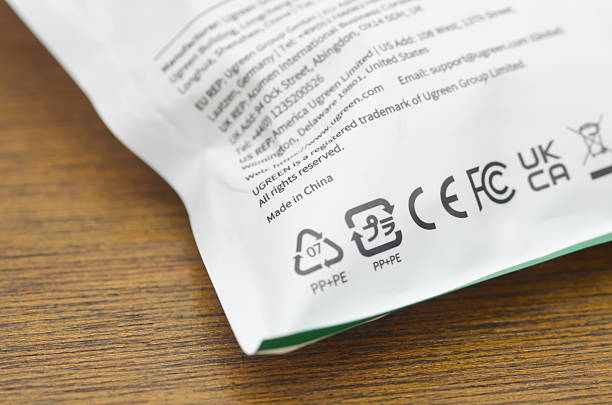
Recyclable packaging is made from a single material type (mono-material PE or PP) so it can go into existing recycling streams. Multi-layer laminates are generally not recyclable through standard channels.
Compostable packaging breaks down under composting conditions. Certified compostable films (look for certifications like TÜV Austria OK Compost or BPI) are available but typically come at a higher cost and have shorter shelf life performance.
Recycled content packaging incorporates post-consumer recycled material (PCR) into the film. It doesn’t change the end-of-life recyclability but reduces virgin plastic use in production.
If sustainability is a priority for your brand, it’s worth having an honest conversation with your supplier about what each option actually delivers rather than defaulting to terms that sound good but don’t always hold up.
How to Choose the Right Flexible Packaging for Your Product
Before getting into design and printing, four questions will narrow down your options significantly:
1. What are you packaging? Dry goods, liquids, powders, and fresh products all have different barrier and structural requirements. A coffee bag and a sauce pouch use very different film structures.
2. What’s the required shelf life? Longer shelf life means more demanding barrier properties, which typically means more layers and higher cost. Be specific about your shelf life target when talking to a supplier.
3. What are your order volumes? Volume determines which printing method makes sense and what MOQ a manufacturer can realistically offer. Gravure printing is cost-effective at high volume; digital makes more sense under 10,000 units.
4. Where is the product being sold? Retail shelf, e-commerce, food service, and export markets each have different requirements around labeling, certifications, and packaging durability.
At Shine Pack, we’ve worked with brands across food, coffee, cosmetics, and e-commerce to develop flexible packaging that fits both the product and the budget. Please feel free to get in touch, we’ll come back to you with specifications, samples, and pricing.
FAQs
What is an example of flexible packaging?
A stand-up coffee pouch with a resealable zipper is one of the most common examples. Others include snack bags, sauce sachets, and flow-wrapped candy bars.
Is flexible packaging more sustainable than rigid packaging?
In some ways, yes, it uses less material, weighs less, and generates lower transport emissions. But recyclability depends on the specific materials used. Mono-material flexible packaging is more recyclable than multi-layer laminates.
What’s the minimum order quantity for custom flexible packaging?
It depends on the printing method and manufacturer. Digital printing allows lower MOQs (sometimes as low as 500–1,000 units), while gravure printing typically requires 10,000 units or more to make the setup cost worthwhile.
How long does flexible packaging production take?
For custom orders, expect 15–25 business days for production after artwork approval, plus shipping time. Rush options may be available depending on the supplier.