
Types of Stand-Up Pouch Packaging: Styles, Structures, and Uses
So, you’ve probably noticed them everywhere. Stand up pouches are taking over shelves in food, drinks, pet food, and even household products. Compared to old school jars and rigid plastic, stand up pouch packaging just makes more sense. Lower shipping costs, better storage efficiency, and way more shelf appeal.
As flexible packaging gets smarter, different stand up pouch styles have become more specialized. Some focus on stability. Others on sealing. Or how easy they are for customers to actually use. And here’s the thing. The pouch type you pick? It affects pretty much everything. Like how fresh the product stays. How stable it sits on the shelf. Whether your filling machine can even handle it. And yeah, how people end up using it at home.
That’s why learning about the types of stand-up pouches packaging is so important. It helps brands pick the right solution, not just any solution.
What is a Stand-Up Pouch?
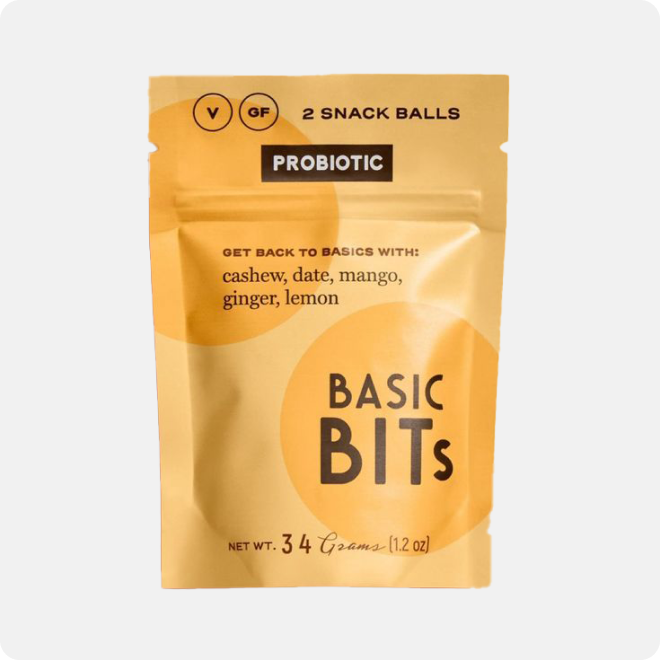
A stand up pouch is basically a flexible bag that can sit upright all by itself.
What makes it “stand up”? The bottom gusset. Think of it as an expandable support area at the base. When you fill stand up pouches, that folded section opens up and creates a stable footing.
Imagine a paper bag’s bottom. Same idea. Once there’s something inside, it spreads out and the bag stands.
Here’s why that’s a big deal:
- Better shelf presence
- Higher storage efficiency
- Lower transport costs
- Lots of room for branding
- Easier for customers to use
Today, stand up pouch packaging is everywhere: coffee, snacks, tea, pet food, frozen meals, supplements, powders, liquid seasonings. You name it.
And because flexible packaging keeps improving, different stand up pouch styles now target very specific product needs.
Types of Stand-Up Pouches Packaging by Structure and Function
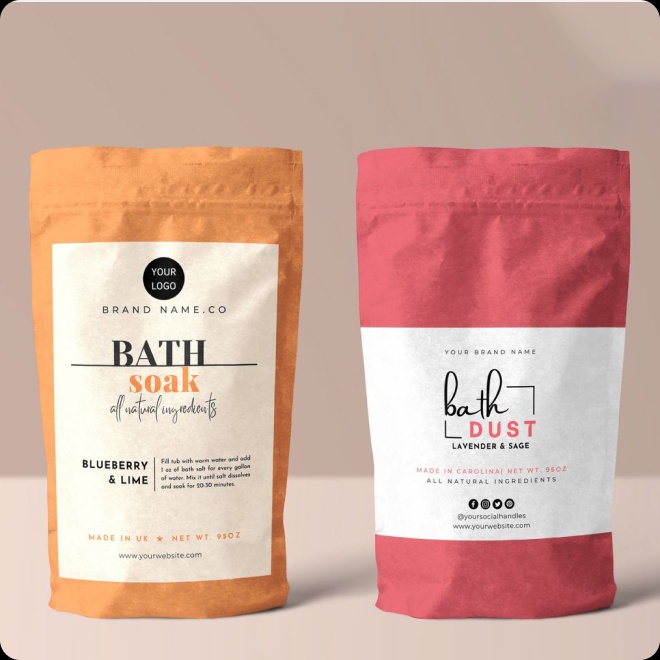
The main differences between stand up pouch styles come down to two things: how they’re built and what they’re meant to do.
Some pouches are all about weight bearing. Others focus on sealing. And some just make life easier for the person opening them.
Different pouch types work better for different product weights, filling methods, and sales channels.
1. Classification by Bottom Structure
Doyen Seal Pouches
These are the classic stand up pouch styles. You see them everywhere.
The Doyen seal uses a U shaped bottom seal. Imagine a little semicircular tray at the base. That’s what holds it up.
Because the design is simple, production costs are usually lower. Perfect for lightweight products like candy, nuts, small snack packs, and powdered drinks.
Many brands start with the Doyen structure when they first switch to stand up pouch packaging. It gives you a nice balance between cost, appearance, and production speed.
K-Seal Pouches
Think of K Seal as the beefed up version of Doyen.
It uses a K shaped reinforcement. Basically, an extra support frame at the bottom. This helps spread the weight more evenly.
Compared to regular Doyen pouches, K Seal usually gives you:
- Better standing stability
- Higher weight capacity
- More resistance to shipping pressure
This structure works great for coffee beans, protein powder, pet food, and grain products.
Here’s a simple rule: the heavier your product, the more you’ll like K Seal.
Flat Bottom / Plow Bottom Pouches
Flat bottom pouches are one of the fastest growing premium pouch types. They have a rectangular flat base. It’s almost like a box but made of flexible material.
Compared to traditional stand up pouch packaging, flat bottom pouches offer:
- A larger front panel for branding
- Stronger shelf presence
- Better stacking ability
- A more premium look
That’s why you see so many specialty coffee brands, high end pet food companies, and premium snack makers choosing this style. Yes, it costs a bit more to produce. But at retail, the difference in display impact is huge.
Bottom Gusset Pouches
Bottom gusset pouches use a folded material section at the base. The gusset is basically an expandable area. Once you add the product, it opens up and creates a stable support.
Very flexible design. That’s why it’s common in so many industries: snacks, powders, dry goods, household products.
Many companies adjust the gusset size based on product weight and volume needs.
Bottom Structure Comparison
| Pouch Type | Key Feature | Best For |
| Doyen Seal | Low cost, basic self standing | Light snacks, powders |
| K Seal | Stronger weight bearing | Coffee, pet food |
| Flat Bottom | Premium shelf display | High value products |
| Bottom Gusset | General purpose self standing | Dry goods, household items |
2. Classification by Seal & Closure
Pillow Pouches (Back Seal)
Pillow pouches are also called back seal pouches. They have a vertical seal on the back. The whole thing looks like a pillow. Hence the name.
The biggest advantage? Low cost, fast production, and compatibility with high speed automated lines.
You’ll see them with potato chips, cookies, instant foods, and small snack packs.
Strictly speaking, this isn’t a true stand up pouch. But in the flexible packaging world, people often talk about it alongside other pouch packaging types.
Side Gusset Pouches
Side gusset pouches expand their capacity through folded panels on both sides.
This style is super common in the coffee and tea industry. One reason: it works perfectly with a degassing valve. That’s a one way valve that lets gas out but keeps oxygen from getting in. Fresh roasted coffee releases carbon dioxide. The valve helps release that pressure while protecting the flavor.
3-Side Seal Pouches
Three side seal pouches have strong sealing performance. All three edges are sealed, which makes the package pretty rugged.
You’ll find them in vacuum packaging, frozen foods, medical packaging, and seafood products.
Vacuum packaging is all about removing air. Less oxygen means longer shelf life. That’s why 3 side seal pouches are so popular there.
4-Side Seal Pouches
Four side seal pouches offer even higher structural strength than three side seal. They have a flat panel structure, so the whole pouch is smoother and more resistant to pressure.
Common uses include pharmaceuticals, candy, single dose products, and high barrier packaging. Plus, they just look neater on the shelf.
Zipper / Slider Pouches
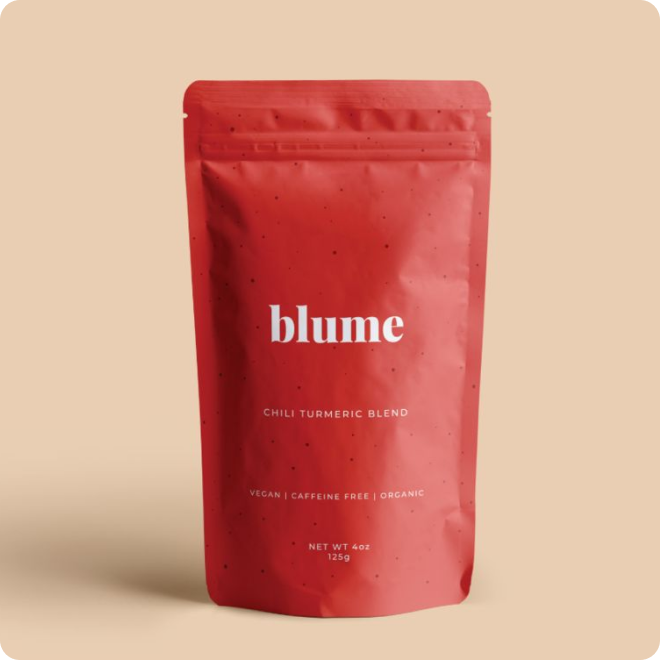
Zipper pouches and slider pouches are all about convenience. The resealable closure is the key feature here. Customers can open and close the pouch multiple times.
This stand up pouch style is perfect for pet food, nuts, frozen foods, dried fruit, and coffee. Many brands have found that simply adding a zipper can noticeably improve how consumers perceive product quality.
Seal & Closure Comparison
| Pouch Type | Main Advantage | Common Applications |
| Pillow Pouch | High production efficiency | Chips, snacks |
| Side Gusset | Large capacity | Coffee, tea |
| 3 Side Seal | Strong sealing | Vacuum packed foods |
| 4 Side Seal | Pressure resistant | Pharmaceuticals, candy |
| Zipper Pouch | Resealable | Pet food, nuts |
3. Classification by Specialized Functionality
Spouted Pouches
Spouted pouches are mainly for liquids and semi fluids. The spout acts like a small bottle mouth. You get the pouring convenience of a bottle, but with the lightweight benefits of flexible packaging.
Typical products: juice, cooking sauces, baby food, liquid laundry detergent.
More and more brands are using spouted pouches to replace some plastic bottles. It’s a smart move.
Retort Pouches
Retort pouches are high barrier packages. They have to survive high temperature sterilization. The retort process heats everything up to around 121°C. So the material must handle heat, block oxygen, and keep seals intact.
These pouch types are common with ready to eat meals, soups, prepared dishes, and shelf stable foods.
Vacuum Pouches
Vacuum pouches focus on barrier protection. That means keeping air and moisture out as much as possible. Many use nylon barrier films to lower oxygen transmission rates.
You’ll see them with meat, seafood, cheese, and medical products. Less oxygen means fresher for longer.
Shaped Pouches
Shaped pouches are custom die cut into special forms. Think bottle shaped, cartoon character shaped, or even a brand logo outline.
Production is more complex. But on the shelf, they grab attention like nothing else. For brands that need differentiation, shaped pouches offer strong visual appeal.
Specialized Function Comparison
| Pouch Type | Specialized Feature | Typical Products |
| Spouted Pouch | Built in spout | Juice, sauces |
| Retort Pouch | Heat resistant, sterilizable | Ready meals |
| Vacuum Pouch | High barrier freshness | Meat, seafood |
| Shaped Pouch | Custom visual design | Brand specific products |
How to Choose the Right Stand-Up Pouch Style for Your Product
Picking the right stand up pouch packaging isn’t just about grabbing a bag off a list.Different products have different needs. Barrier performance. Structural design. Visual appeal. Compatibility with your filling line.
What works for coffee might fail miserably for liquid sauce or frozen food.
Barrier Protection Based on Product Needs
Barrier properties refer to how well the packaging resists air, moisture, and light. This is a huge part of flexible packaging design.
Different products are sensitive to different things. Coffee hates oxygen. Chips hate humidity. Supplements hate light.
That’s why many pouches use multilayer films. Each layer does a specific job.
Choosing the Right Finish and Visual Design
The way a package looks directly affects how people feel about the product inside.
Common visual finishes include matte finish, gloss finish, and clear windows.
Clear windows are especially popular. When customers can actually see the product, they tend to trust it more.
Good quality printing matters too. Sharp, stable prints bring out your brand details. That helps your product stand out on a crowded shelf.
Functional Features for Better Consumer Experience
Many modern stand up pouch styles now include extra functional touches. Euro holes for hanging. Ergonomic handles for carrying. Tamper evident seals for safety.
These seem like small details. But they make a real difference in how people use the product and how safely it ships.
Compatibility with Filling and Packaging Equipment
You also need to think about your production line.
Different pouch types have different requirements for filling equipment, sealing temperature, positioning accuracy, and filling speed. That’s why many packaging suppliers today offer engineering support, not just materials.
FAQ
How do I choose the right pouch style for my product weight?
Light products usually work well with Doyen pouches. Heavier products need something like K Seal or flat bottom. Those styles offer better weight bearing and stability.
Are stand up pouches compatible with my existing filling machinery?
Most modern stand up pouch packaging works with automated filling equipment. But different pouch types have different needs for sealing temperature, speed, and accuracy. So it’s always smart to run tests before full production.
What’s the difference between Doyen and K Seal bottom designs?
Doyen uses a U shaped bottom seal. K Seal adds extra reinforced sealing. In simple terms, K Seal gives you stronger weight bearing and stability. That’s better for heavier products.
How can I customize my stand up pouch to improve shelf presence?
Many brands don’t just pick one thing. They mix and match. Flat bottom here, a clear window there, maybe a matte finish. Or they boost the print contrast. Or go all in on a shaped pouch. None of these changes are huge on their own. But together? They help your product grab attention faster on that crowded shelf.
Final Thoughts
Look, stand up pouch packaging has come a long way. It’s not just a replacement for plastic bags anymore. Not even close.
The pouch structure, the seal type, the little functional features. They all matter. They affect how well the product stays fresh, how cheaply it ships, how customers feel using it, and how it sells at retail.
More and more industries are switching to lightweight flexible packaging. So understanding the different stand up pouch styles? That helps brands pick something that actually fits their product and their market. Not just something that looks okay in a catalog.
At Shine Pack, we look at your product needs, packaging performance, and production compatibility. Then we help you develop stable, efficient, and visually competitive packaging solutions.