
Stand Up Pouch Manufacturing: 9 Things You Need to Know Before Ordering
So, you’re thinking about custom stand up pouch packaging. Smart move. But before you jump in, there’s quite a bit that goes into stand up pouch manufacturing. We’re talking material selection, printing techniques, lamination, pouch forming, and quality checks at every stage. If this is your first time ordering custom packaging, knowing these steps upfront can save you from a whole list of headaches. Think weak seals, the wrong film choice, or unexpected costs that blow your budget.
The truth is, procurement folks usually have to sort through a lot of technical details. Material compatibility, minimum order quantities (MOQ), print quality standards and factory testing protocols can be daunting tasks to navigate alone, which is why we put together this guide. Here we outline nine essential factors you must understand prior to placing an order for custom stand up pouches so you can make an intelligent, informed decision.
1. Stand Up Pouches: What Are They?
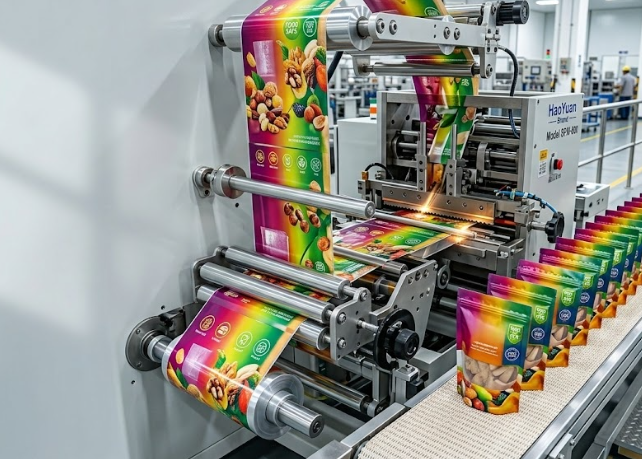
Stand up pouches have quickly become one of the most sought-after flexible packaging solutions today, finding their way into food, beverages, pet food and personal care products alike. Their increasing popularity has seen rigid containers such as glass jars and metal cans diminish significantly as consumers opt for lightweight pouches which take up less space in their environments.
Why Can They “Stand Up”?
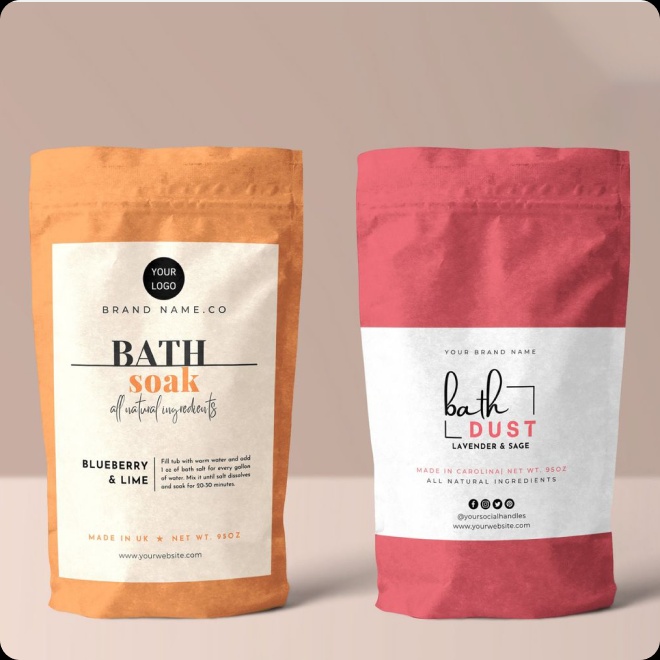
Here’s the cool part. The secret is all in the bottom gusset. That’s the folded section at the base. During the pouch making process, the film gets folded into a W shape at the bottom. When you fill the pouch with product, the weight pushes that W shape outward. It expands into a wide, stable oval base. That’s what lets the pouch stand upright on the shelf without any extra support.
A typical stand up pouch has four main physical parts:
Front Panel and Back Panel: These give you a large printable area. Perfect for branding, ingredient lists, and all that important product info.
Bottom Gusset: This little fold determines both the pouch’s stability and its actual capacity.
Closure: This could be a zipper, a spout, or something else, usually placed at the top or side for easy access.
Stand Up Pouch vs. Flat Pouch
Let’s compare. A flat pouch, also called a three side seal pouch, can’t stand up. It has to lie flat or hang on a hook. On a crowded shelf, it’s easy to miss. Stand up pouches, on the other hand, face the customer directly. They’re visible, they’re bold, and they make a much stronger impact.
There are also plenty of types of stand up pouch packaging to choose from, like flat bottom bags, spouted pouches, and die cut shapes. The shelf appeal is just on another level compared to traditional flat bags.
2. Stand Up Pouch Materials: What Are They Made Of?
Modern stand up pouches aren’t made from a single sheet of plastic. They’re built using multi layer lamination. That’s a fancy way of saying different films get glued together, each layer doing a specific job. This combo gives you great print quality, excellent barrier protection, and strong heat seals.
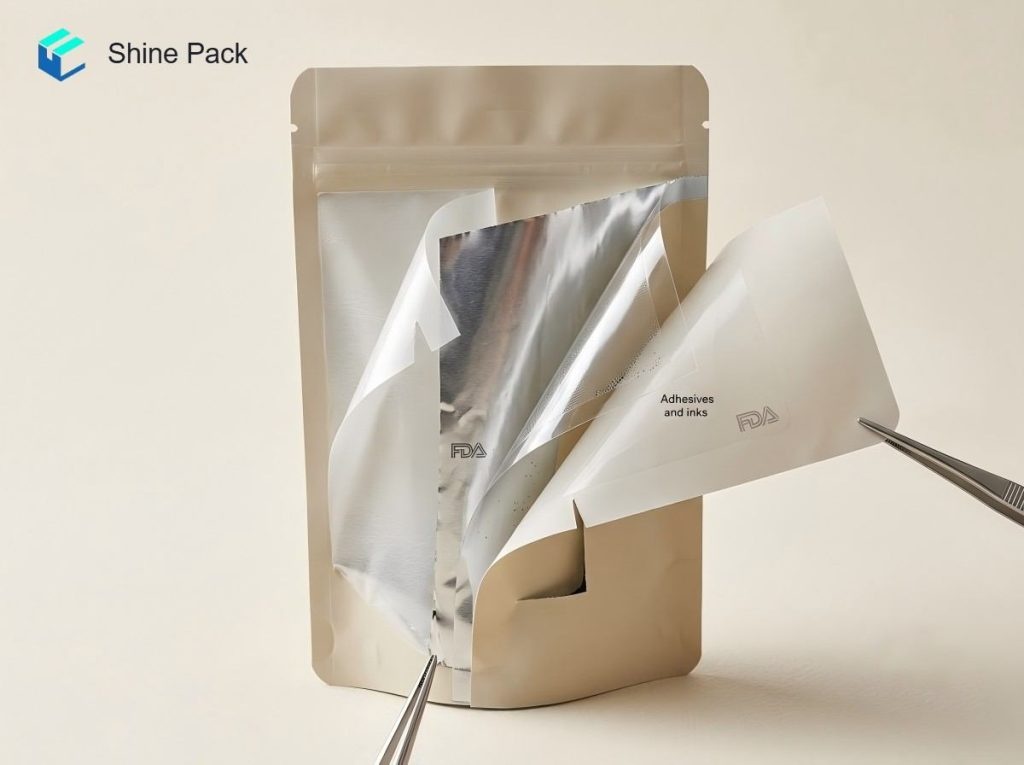
Here’s what a standard laminated pouch structure usually looks like:
Outer Layer:
This is the face of your packaging. It carries the ink and gives the pouch its look, whether that’s matte or glossy. Common materials here are PET, known for its heat resistance and high definition printing, MOPP, which is another type of oriented polypropylene, or even kraft paper if you want a natural, earthy feel.
Middle Barrier Layer:
This is your product’s shield. It blocks oxygen, moisture, and UV light to extend shelf life. Aluminum foil is the gold standard here, offering a near perfect barrier. VMPET is a more budget friendly alternative that still provides good protection.
Inner Sealant Layer:
This layer touches your product directly. So it has to be safe. Most manufacturers use LLDPE for this. It’s food grade, FDA approved for food pouches, and seals really well under heat and pressure. A strong inner seal means your product stays fresh and secure.
3. Stand Up Pouch Manufacturing: How Does the Process Work?
Making a stand up pouch involves several precise manufacturing steps. Here’s a look at the standard process from start to finish:
Step 1: Material Selection
First, engineers pick the right film combination. They look at what you’re packaging. Is it oily? Acidic? Does it need to be vacuum packed? All these factors determine the best material structure.
Step 2: Artwork Preparation
Then we check the design files, confirm the exact pouch dimensions, plan the printing layout, and get the cylinders ready if we’re using gravure printing.
Step 3: Printing
Rotogravure printing uses engraved metal cylinders and is best for large runs with consistent, high quality color. Digital printing avoids this expense while meeting small batch and multiple SKU needs more effectively. Flexography uses rubber plates directly onto Kraft paper substrate.
Step 4: Film Lamination
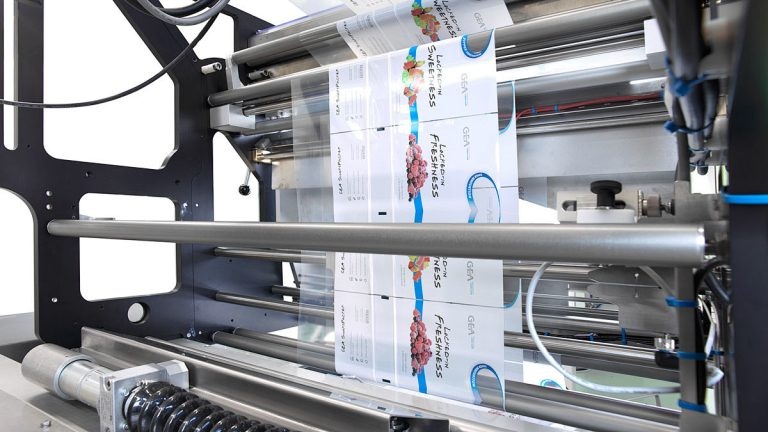
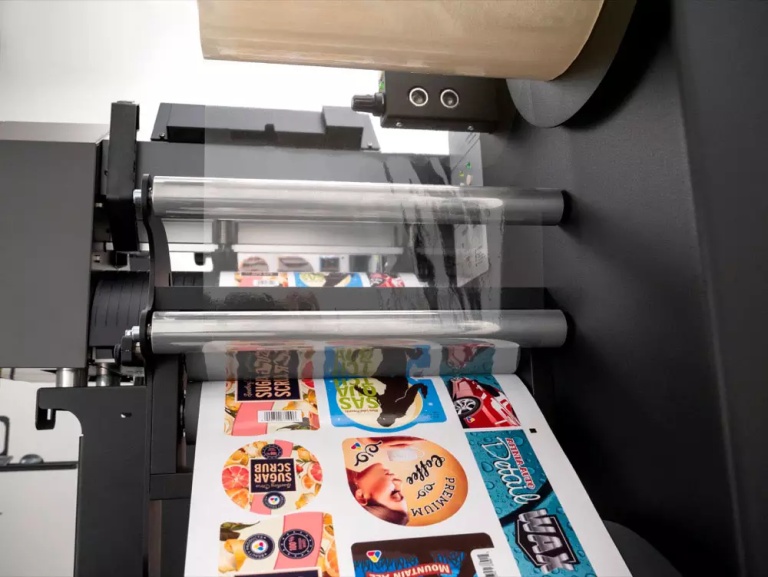
The printed outer layer, the middle barrier film, and the inner sealant layer all get bonded together using a laminating machine. This creates one strong, multi functional roll of film.
Step 5: Film Curing
Step three can easily be overlooked but is essential: laminated film needs to sit in a curing room at 40-50°C for two to four days for curing, to allow its adhesive fully set and any solvent odors dissipate. Rushing this step could cause leakage or spoilage problems later.
Step 6: Film Slitting
The big master roll gets cut down into smaller rolls, each one matching the width needed for your pouch.
Step 7: Pouch Making
The narrow film rolls go into a pouch making machine. It folds the bottom gusset, heat seals the edges, and attaches any closures like zippers or spouts.
Step 8: Quality Inspection
Finally, each pouch is checked. Automated cameras and human inspectors look for print flaws, seal issues, or anything that doesn’t meet the standard.
4. Choose the Right Stand Up Pouch Structure for Your Product
Different products need different packaging. Here’s a quick look at some common material structures and where they work best.
| Product Type | Recommended Structure | Why It Works |
| Coffee Beans | MOPP / VMPET / PE + One way Valve | Coffee releases gas after roasting. A regular sealed bag would burst. The valve lets gas out but keeps oxygen from getting in. |
| Snacks & Nuts | PET / VMPET / PE | This combo is cost effective and keeps moisture out. A matte finish also adds a nice premium feel. |
| Pet Food | PET / AL / PE | Pet food is oily and comes in big bags. Aluminum foil stops grease from seeping through and blocks all light and air to prevent spoilage. |
| Liquids & Pouch Drinks | NY / PE | Liquids create pressure when dropped. Nylon adds strength and puncture resistance. Regular PET would crack too easily. |
| Frozen Food | PET / PE (Low Temperature Grade) | At -18°C, ordinary plastics get brittle. Special low temp adhesives and films keep frozen food packaging intact. |
| Supplements & Powders | PET / AL / PE | Powders absorb moisture quickly. Pure aluminum foil keeps them dry. A wide zipper also helps prevent powder from getting stuck in the seal. |
5. Select the Right Custom Features for Your Stand Up Pouch
You can add a lot of custom features to your stand up pouches. The right ones can make your product easier to use and more attractive to shoppers.
Closure Options
Press to close Zipper: This is the classic choice. Great for snacks and dried fruits that people open and close multiple times.
Spout: Perfect for liquids and sauces. These flexible pouches are much lighter than rigid plastic bottles, so you save on shipping costs.
One way Valve: If you’re packaging coffee or anything that ferments, you need this. It lets gases escape without letting air in.
Appearance Options
Matte Finish: An understated premium feel.
Glossy Finish: Make colors pop with its high shine and saturation levels.
Spot Finish: When combined together, matte background with glossy logo creates contrast that draws the eye directly where you need it to go.
Clear Window: Customers need the ability to view what’s inside your product. So leave an unprinted area around it so they can do just that.
Functional Options
Resealable: Basic open and close functionality.
Freezer Safe: Designed to hold up in cold chain logistics.
Puncture Resistant: If your product has sharp edges, like bones or hard shells, you can add a nylon layer or increase the film thickness to prevent tears.
6. Understand Stand Up Pouch Quality Control Before Ordering
Quality control is where the rubber meets the road. Seal strength and package seal integrity testing are what keep your product safe during shipping and on the shelf. Manufacturers run a series of tests to make sure everything holds up.
Here are the usual quality checks:
Material Testing: Material testers measure film thickness and barrier performance to confirm that it fulfills its function as advertised.
Printing Inspection: Color consistency is evaluated using a spectrophotometer, to prevent multiple batches from looking dissimilar on store shelves.
Seal Testing:
Tensile Strength Test: A machine pulls the seal apart to see how strong it really is.
Vacuum Leakage Test: This is a favorite for its simplicity. The pouch goes into a vacuum water chamber. If it leaks, bubbles appear. It’s a fast, reliable way to find micro leaks.
Finished Product Inspection: They test the zipper and the tear notch. Does it open easily without ripping the whole bag?
7. Manufacturing Costs: What Affects the Price?
Understanding what drives up the cost of stand up pouches helps you budget smarter. Here are five key factors that influence the final quote.
Material Structure and Thickness: Aluminum foil is pricier than VMPET. Addition of nylon layer is also more costly, as you are using more raw material and therefore increasing thickness can result in an increase in price.
Pouch Size: Even minor variances in width, height and bottom gusset measurements can quickly add up when creating thousands or millions of pouches. To prevent overpaying, be sure to know how to properly measure a stand up pouch and calculate its capacity according to your product needs.
Printing Colors: With gravure printing, each color needs its own cylinder. More colors mean higher plate costs upfront. Digital printing can skip this, but it’s usually better for smaller quantities.
Special Features: Adding valves, hang holes, or special die cut shapes adds material costs and extra machine time.
Minimum Order Quantity (MOQ): MOQ has a big impact on unit price. There’s a fixed setup cost for every production run, covering things like color calibration and tooling adjustments. When you order more, that setup cost gets spread across more units, driving the price per pouch down. So, it’s always wise to ask about the custom stand up pouch MOQ policy early in the conversation.
8. Understand Production Time and Ordering Process
Custom packaging isn’t an overnight thing. It’s a precise, multi step process. A typical order follows these five stages.
Step 1: Define Your Requirements
You tell the manufacturer what you’re packaging. The weight, the product type, and your expectations. They recommend the right material structure based on that.
Step 2: Artwork Approval
You get a dieline, which is a blank template showing exactly where the pouch folds and seals. You place your artwork on it. Then both sides double check margins, bleed areas, and critical design elements.
Step 3: Prototype or Sample
Before full production, the factory usually sends blank samples. This lets you test how easy it is to fill stand up pouches on your own equipment. It’s a great way to confirm capacity and seal compatibility before committing to a huge order.
Step 4: Mass Production
Once everything is approved, production kicks in. Printing, lamination, curing (that 4 day wait), slitting, and pouch making all happen in sequence. Expect the standard lead time to be around 10 to 15 working days.
Step 5: Inspection and Shipping
After a final quality check, your order is packed up and shipped out to your warehouse or fulfillment center.
9. Evaluate a Stand Up Pouch Manufacturer Before Making a Decision
Picking the right manufacturer is maybe the most important decision in this whole process. Not all suppliers are created equal. Here’s what experienced sourcing managers look for when they’re evaluating a potential long term partner.
Check the Manufacturing Equipment
A factory’s hardware tells you a lot about their capabilities. Good equipment leads to high, consistent quality.
Rotogravure Printing Machine: High speed, multi color machines ensure crisp, accurate color registration. No ghosting, no misalignment.
Laminating Machine: This is what bonds the layers together. Solventless lamination is a big plus because it reduces odor and delamination risks.
Pouch Making Machine: Advanced machines control temperature and speed precisely. This means consistent seal strength and clean, uniform pouch shapes.
Testing Equipment: Look for thickness gauges, tensile testers, and vacuum leak testers. These are signs of a factory that takes quality seriously.
Check Production Experience
Beyond the machines, you want a team that knows how to handle complex jobs.
Can they handle different pouch structures? A good factory can work with plastic films, paper, aluminum foil, and even biodegradable materials.
Can they make zipper, spout, or valve pouches? Experience with these features matters. You want someone who’s already solved the tricky engineering problems involved.
Can they provide samples? Reputable manufacturers will always send blank samples before production. It lets you run real world tests and lowers your supply chain risk.
Check Quality Standards and Certifications
This is non negotiable, especially for food and personal care products.
Food Grade Material Certification: To ensure food safety isn’t compromised, manufacturers should present documentation showing their materials meet FDA approval. Food safety cannot be compromised.
Seal and Barrier Testing: Inquire into their quality control (QC) process to see if they conduct seal strength and barrier performance testing throughout production to ensure your product stays fresh and safe over its entire shelf life. This way you can be certain of staying true to its intended design.
Choosing the right packaging partner matters. Custom Shine Pack has built its entire production line around these very standards. Our advanced printing and pouch making equipment, a team of over 100 skilled technicians, and a comprehensive quality management system all work together to deliver custom stand up pouch solutions that meet rigorous international standards. We’re here to make your custom packaging journey smooth, efficient, and worry free, from that first question to delivery at your door.